2026 Top Center Bearing Types You Need to Know?
In the world of automotive engineering, understanding different types of Center Bearings is crucial. A center bearing plays a vital role in supporting drive shafts. It ensures smooth power transfer from the engine to the wheels. This component may seem small, but its importance is significant.
Various center bearing types exist, each with unique functionalities. Some are designed for heavy loads, while others cater to lighter vehicles. The selection process can be tricky, especially for newcomers. Incorrect choices can lead to vibrations and premature wear in the drivetrain. This poses issues that require costly fixes.
Keep in mind that, while many options offer benefits, flaws can exist. Not all center bearings will suit every vehicle type. Misalignment and installation errors can occur. It’s essential to conduct thorough research before making a purchase. Understanding your vehicle's needs will yield the best results.
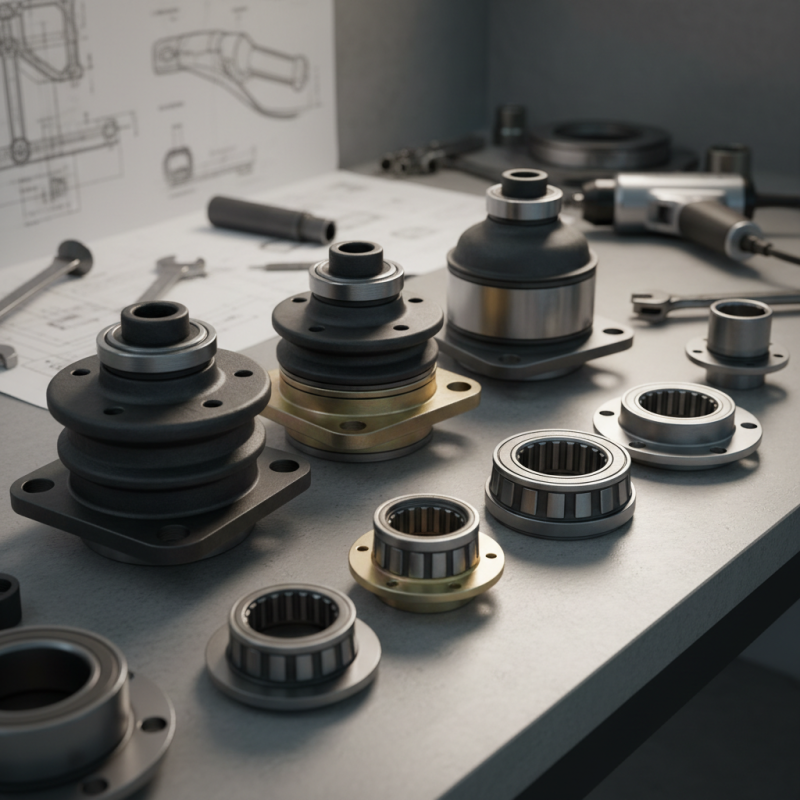
Understanding the Importance of Center Bearings in Machinery Applications
Center bearings play a crucial role in machinery applications, ensuring smooth operation and stability. They support the drive shafts and align critical components. According to industry reports, vibrations can increase due to poorly functioning center bearings, leading to significant machinery downtime. Maintaining optimal bearing conditions is essential.
In construction machinery, for instance, the correct type of center bearing can reduce maintenance costs by up to 30%. Selecting the wrong bearing type often leads to frequent replacements. It might seem counterintuitive, but some manufacturers overlook this aspect, contributing to reduced efficiency and increased wear and tear.
Center bearings also affect energy consumption. Inefficient bearings can escalate energy use by 15% or more. This statistic points to the importance of selecting proper bearings. Many machinery operators fail to recognize the long-term implications of neglecting center bearings. Regular checks and timely replacements are necessary but frequently disregarded in practice. This oversight could lead to cascading failures in machinery systems.
2026 Top Center Bearing Types You Need to Know?
| Bearing Type | Material | Load Capacity (kg) | Max RPM | Typical Applications |
| Single Row Deep Groove | Steel | 1500 | 6000 | Electric Motors, Automotive |
| Angular Contact | Ceramic | 1200 | 8000 | Machine Tools, Precision Equipment |
| Thrust Ball | Stainless Steel | 1000 | 3000 | Heavy Machinery, Construction Equipment |
| Self-Aligning | Bronze | 2000 | 5000 | Agricultural Machinery, Conveyors |
Overview of Common Types of Center Bearings and Their Specifications
When discussing center bearings, it's essential to understand their common types and specifications. Center bearings support rotating shafts and maintain alignment. The primary types include single-row, double-row, and split designs. Each type has unique load capacities and applications. For instance, single-row bearings often handle lighter loads. On the other hand, double-row bearings offer increased stability.
Industry data shows that center bearings are vital in automotive and industrial machinery. According to a recent report, the demand for robust center bearings is expected to grow by 4% annually. This growth is driven by the increasing need for efficient machinery. Specifications like material quality and load rating significantly impact performance. For example, higher-grade steel leads to extended lifespans.
Tip: Always consider the environment and load requirements when selecting a center bearing. Failing to do so may result in early wear or malfunction. Regular inspections can help identify issues before they escalate. Remember, not all center bearings are created equal, so understanding these differences is crucial.
Key Materials Used in Manufacturing Center Bearings: Pros and Cons
When exploring center bearings, understanding the materials used in their manufacture is vital. Steel is a common choice. It's durable and offers good load-bearing capacity. However, it can be heavy and may corrode when exposed to moisture. This can lead to higher maintenance costs over time.
Another popular material is plastic. It is lightweight and resistant to chemicals and moisture. Reports suggest that plastic bearings can reduce overall weight by up to 30%. Yet, they may not handle heavy loads as effectively as steel counterparts.
Tip: Always consider the operating environment. A humid environment may require more corrosion-resistant materials. In contrast, applications with heavy loads may prioritize strength over weight. Be cautious with choices. The right materials can enhance performance but could also lead to failures if mismatched. Understanding your application’s demands is crucial for making an informed decision.
Industry Standards and Ratings for Center Bearings in 2026
The year 2026 brings new industry standards for center bearings. These standards are essential for ensuring the reliability and durability of center bearings in various applications. Key metrics often include load capacity, rotational speed, and environmental resistance. Recent reports highlight a growing need for bearings that perform well under extreme conditions.
A crucial aspect to consider is the load rating. Depending on the application, different ratings matter. The industry typical rating ranges from 1000 to 4000 pounds. This number can influence selection significantly. Higher ratings usually indicate better performance, but require careful synergy with the application.
Tips: When choosing a center bearing, always check specifications. Ensure you understand your environmental conditions. This keeps performance on track. Also, consider inspection schedules. Regular checks can prevent unexpected failures.
Material choice plays a vital role too. For example, bearings made from advanced polymers or stainless steel show improved longevity. However, not all materials suit every application. Understand your needs; the right material prevents costly mistakes.
Future Trends in Center Bearing Technology and Their Impact on Performance
Center bearing technology is evolving rapidly. The shift toward lightweight materials is notable. This change can enhance performance and fuel efficiency. Engineers are exploring the use of composites and advanced polymers. These materials reduce weight without compromising strength.
Another trend is improving damping characteristics. Better vibration control leads to a smoother ride. It reduces stress on surrounding components. However, achieving the right balance can be tricky. Over-damping may lead to a less responsive system. Fine-tuning is essential for optimal performance.
Digital technology is making its mark too. Smart sensors are being integrated into designs. They provide real-time data and enhance monitoring capabilities. This allows for predictive maintenance, minimizing downtime. Yet, there’s a challenge in data management and user interface. Not all users may adapt quickly to these innovations. As the industry progresses, these details will shape future designs.