What is a Lamination Machine and How Does it Work?
A Lamination Machine is an important tool in various industries. It is designed to protect documents, photos, and materials by encasing them in a plastic layer. This process not only enhances durability but also gives a polished appearance. Whether for educational purposes, business presentations, or personal projects, users rely on lamination machines for high-quality finishing.
Understanding how a Lamination Machine works can be enlightening. The machine heats adhesive film, which then bonds to the item being laminated. Users should be aware that this process requires careful attention. Overheating can damage materials, while uneven placement can lead to bubbles. Achieving ideal results might need practice and patience.
Though lamination is beneficial, it’s not without its challenges. Sometimes, the film may peel or warp if not applied correctly. These imperfections remind us to refine our technique. With experience, users can master the operation of a Lamination Machine, ensuring every project meets their standards.
What is a Lamination Machine?
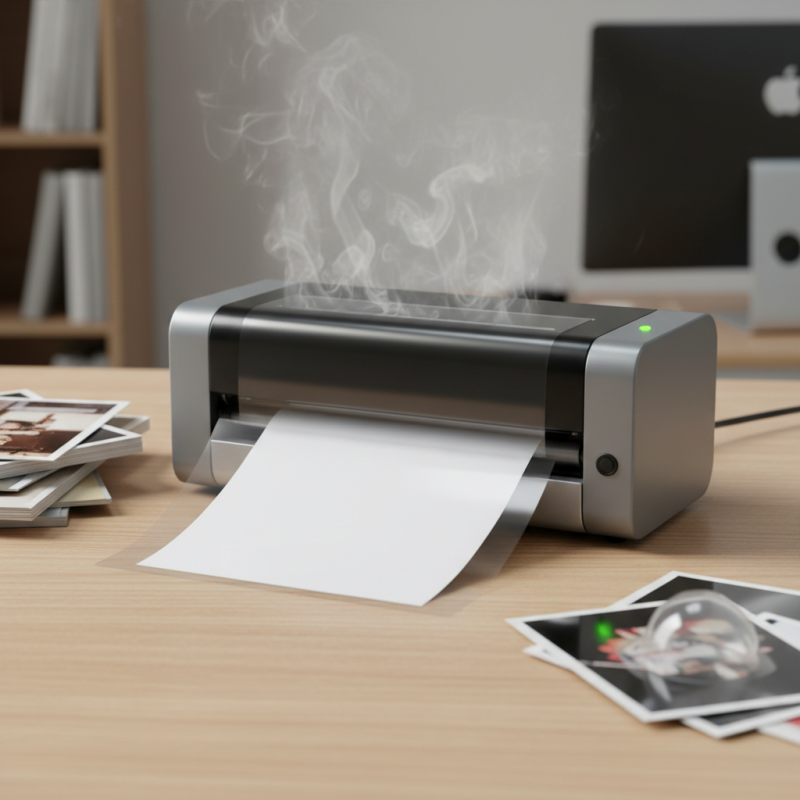
A lamination machine is a device used to permanently bond plastic film to documents or materials. It enhances their durability and protection. Commonly used in schools, offices, and homes, lamination is ideal for preserving important documents, photos, and ID cards. The process involves heating and applying pressure, allowing the plastic film to adhere to the surface.
When using a lamination machine, ensure that the materials are clean and free of dust. This helps achieve better adhesion. It's also essential to choose the right thickness of laminate film. If the film is too thick or too thin, it can lead to bubbling or peeling.
Tips: Always test your settings on a scrap piece first. This avoids wasting materials on an imperfect final product. Don't overload the machine. It can cause jams and damage, affecting its performance. Regularly cleaning the rollers can also improve the quality of the lamination.
Sometimes, the results might not meet expectations. Issues like air bubbles or uneven edges can surface. It’s an opportunity to reassess your technique and learn. Trial and error is part of mastering any process, including lamination. Embrace the imperfections, and you'll improve with practice.
The Components of a Lamination Machine
A lamination machine is essential for protecting documents. It uses heat and pressure to cover paper in plastic. This process strengthens the paper and makes it more durable. It is widely used in schools and offices for creating long-lasting materials.
The main components of a lamination machine include a heat source, rollers, and a feeding mechanism. The heat source warms the plastic film, making it pliable. Rollers evenly flatten the heated film onto the paper. This creates a bond that is difficult to break. The feeding mechanism ensures that documents are fed in smoothly, reducing jams.
However, issues like uneven heating may occur. Sometimes, the plastic film can wrinkle if not aligned properly. Users often overlook these small details. Proper setup is crucial for a flawless finish. Even minor errors can affect the final product immensely. This underscores the importance of careful operation.
What is a Lamination Machine and How Does it Work? - The Components of a Lamination Machine
| Component | Function | Material Used | Maintenance Tips |
| Heat Rollers | Apply heat and pressure to laminate | Metal alloy | Regular cleaning to prevent residue buildup |
| Cooling Rollers | Cool down the laminated material | Metal alloy | Check for wear and tear during servicing |
| Feed Table | Guides and supports the material through the machine | Durable plastics | Ensure it is aligned properly |
| Control Panel | Adjust settings such as temperature and speed | Electronic components | Keep upgraded and function checked regularly |
| Lamination Pouches | Encapsulates the material to be laminated | Plastic film (e.g., PET) | Store in a cool, dry place to avoid melting |
How Lamination Machines Work: An Overview
Lamination machines are essential tools in various industries. They provide protection and enhance the durability of printed materials. Typically, these machines use heat and pressure to bond a plastic film to paper or other substrates. This process creates a protective layer that resists moisture and wear.
The operation of a lamination machine is quite straightforward. Users place materials into the machine, aligning them correctly. The machine then feeds these materials through rollers. As the materials pass through, heated rollers apply pressure, melting the film. This bonding creates a smooth, glossy finish on the surface. It's fascinating how a simple process can yield significant results, but it requires careful monitoring. Factors such as speed and temperature need constant adjustment.
Sometimes, errors occur. Misalignments can lead to uneven lamination. Overheating can damage the material, while too little heat may result in inadequate bonding. These imperfections highlight the need for practice and attention to detail. Users often reflect on their experiences to improve their technique. Each attempt offers valuable lessons.
Common Applications of Lamination Machines
Lamination machines are essential tools in various industries. They protect products by applying a thin layer of plastic over printed surfaces. This process enhances durability and provides a polished look. According to industry reports, the global lamination market is projected to reach $19 billion by 2027. This growth highlights the importance of lamination in today’s manufacturing processes.
In packaging, lamination is vital. It helps package materials resist moisture and ensures longer shelf life. For example, laminated bags are used extensively in food packaging. They prevent spoilage and maintain freshness. A study showed that laminated packaging can extend shelf life by 30-50%. These machines are also crucial in producing laminated prints for marketing materials. Events and advertising rely on high-quality, durable prints. The impact of lamination on visual appeal cannot be overstated.
Despite the advantages, lamination machines require careful handling. Improper use can lead to wasted materials and increased costs. Maintenance is vital for optimal performance. Regular checks can prevent downtime and increase productivity. As industries continue to evolve, understanding lamination applications becomes more important. Adapting to new technologies and ensuring efficient practices can drive success in this growing market.
Maintenance Tips for Lamination Machines
Lamination machines are essential for protecting documents. They provide a durable layer, making papers water-resistant and tear-proof. However, proper maintenance is key to ensuring these machines operate effectively over time.
To maintain a lamination machine, regular cleaning is crucial. Use a soft cloth to wipe down the exterior. Dust and debris can accumulate and impact performance. It’s a small task but can lead to better results. Pay attention to the rollers, as glue residue may build up. This buildup can cause jams or uneven lamination.
Temperature settings also matter. If the heat is too high, it may warp the film. Adjust settings according to the type of laminating film used. A test run with scrap materials can help avoid mistakes. Regularly check for signs of wear. Over time, parts may need replacements. Addressing these issues early can save time and frustration down the line.