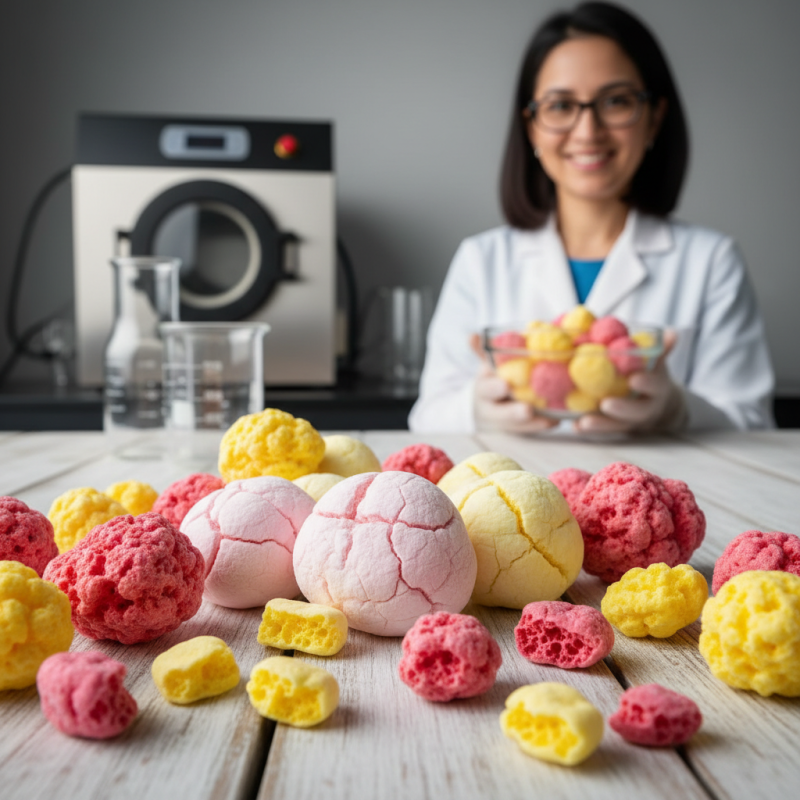
What is Freeze Dry Candy and How is it Made?
Freeze Dry Candy is gaining popularity among sweet lovers. This unique treat offers intense flavors and a delightful crunch. Experts like Dr. Sarah Mills, a food scientist, describe it well: “Freeze Dry Candy captures the essence of flavors in an extraordinary way.”
The process involves removing moisture from candies, making them lighter and shelf-stable. You start with regular candies, such as fruit gummies or marshmallows. They are frozen at extremely low temperatures. Then, a vacuum pump removes the water content. The result is a candy that retains its original shape and flavor, yet transforms in texture.
However, not all candies are suitable for freeze-drying. It requires a careful selection. Experimentation can sometimes lead to trial and error. Some batches might not achieve the desired crunch. Discovering the right balance is key. Despite the challenges, the fascinating world of Freeze Dry Candy continues to attract both creators and consumers.
What is Freeze Dry Candy?
Freeze dry candy is an intriguing confectionery that combines fun flavors with a unique texture. This candy is created through a process known as freeze-drying. During this process, moisture is removed from the candy while preserving its essential flavors and nutrients. According to a recent industry report, the freeze-dried food market is projected to grow at a rate of over 7% annually. This increase reflects the rising demand for innovative snacks among consumers.
The creation of freeze dry candy begins with traditional candies, such as fruits or marshmallows. These candies are frozen at extremely low temperatures, often below -40°F. Once frozen, they are subjected to a vacuum, allowing ice to sublimate directly into vapor. This method retains the candy's original taste and nutrients while making it lightweight and airy. The final product has a crunchy texture that softens upon exposure to moisture, making it a delightful experience for eaters.
Despite its popularity, freeze dry candy isn't without challenges. The texture can sometimes be inconsistent, leading to batch variations. Additionally, the production process may impact flavor intensity. The combination of delicious flavors and a novel eating experience makes freeze dry candy a fascinating product. With the right care in production, the full potential of freeze dry candy can be realized, providing consumers with a unique treat that stands out in a crowded market.
The History of Freeze Dry Candy
Freeze-dried candy has an intriguing history that dates back to the mid-20th century. Initially developed for military use, this process allowed food to be preserved efficiently. The freeze-drying method helped retain flavor and nutrients, making it ideal for soldiers in the field. By the 1970s, innovative candy makers began experimenting with freeze-drying techniques. This led to a new market niche.
Recent industry reports indicate that the freeze-dried candy market has experienced significant growth. According to analysis, it is projected to grow by 10% annually. This surge highlights consumer interest in unique snacks. The process not only enhances texture but also extends shelf life, making it popular among health-conscious consumers.
**Tips:** If you're considering trying freeze-dried candy, start with small portions. The intense flavors can be surprising. Explore different varieties to find your favorite. Remember, while it's a fun treat, moderation is key. Savor the experience, but be mindful of your intake. The unique crunch and burst of flavor can be quite addictive!
Freeze Dry Candy Production Over the Years
The Process of Making Freeze Dry Candy
Freeze-drying candy is a fascinating process that transforms ordinary sweets into delightful, airy treats. The process begins with selecting fresh candies. These could be gummies, chocolate, or fruit-flavored versions. After selection, they are placed in a specialized freeze-dryer. Here, the temperature drops significantly, freezing the candy solid.
Once frozen, a vacuum is created inside the machine. This step is crucial. It allows the ice in the candy to evaporate directly into vapor, skipping the liquid phase. It’s like magic, removing moisture while maintaining the candy’s shape and flavor. The result is light, crunchy candy with an intense taste.
However, making freeze-dried candy isn’t flawless. Sometimes, the texture can become too brittle. Other times, flavors may not translate perfectly. It’s essential to experiment with different candies and freezing times. Each batch might yield a different result. Finding the perfect balance takes practice and a bit of trial and error. While it can be a fun process, it often requires patience and reflection on what works best.
What is Freeze Dry Candy and How is it Made? - The Process of Making Freeze Dry Candy
| Ingredient | Purpose | Processing Steps | Final Texture |
| Fruits (e.g., Strawberries, Bananas) | Provides natural sweetness and flavor | Slice, wash, and prepare for freeze-drying | Crispy, lightweight, retains color |
| Chocolate | Adds rich flavor and sweetness | Melt and mix with desired ingredients | Crunchy with melted essence |
| Marshmallows | Provides chewiness and mild sweetness | Cut into pieces before freeze-drying | Puffy, crunchy texture |
| Nut mixtures | Enhances texture and health benefits | Combine and prepare for processing | Crunchy, flavorful |
Popular Types of Freeze Dry Candy
Freeze dry candy is gaining popularity for its unique textures and flavors. The process involves removing moisture from candies, resulting in a lightweight and crunchy treat. Popular types of freeze-dried candies include fruits, marshmallows, and gummies. Each type brings its own appeal, showcasing vibrant colors and intensified flavors.
Freeze-dried fruits stand out, especially strawberries and apples. Their taste becomes sweeter and more concentrated post-process. Many consumers enjoy these as healthier snack alternatives. Marshmallows transform into airy bites, perfect for toppings on desserts. Meanwhile, gummy candies become crunchy snacks that surprise with their nostalgic flavors in an entirely new form.
Tips: Make sure to store freeze-dried candies in airtight containers. This prevents moisture from ruining their texture. Consider using them in baking as delightful surprises in cookies or cakes. Remember, the joy of freeze-dried candy lies in its crunch, so avoid humidity exposure. Experimentation is key; try mixing different types for a unique taste experience.
Benefits of Freeze Dry Candy Over Traditional Candy
Freeze-dried candy has gained attention for its unique qualities. Unlike traditional candies, it retains the original shape, color, and flavor of its ingredients. According to industry reports, freeze-drying removes about 98% of moisture, resulting in a crunchy texture. This process enhances the natural sweetness and intensifies flavors, making them more pronounced.
One of the significant benefits of freeze-dried candy is its long shelf life. Traditional candies can spoil quickly due to moisture. Freeze-dried versions can last years without preservatives. A study indicated that freeze-dried fruit retains up to 90% of its nutrients, compared to only 50% in some cooked or processed candies. This nutritional edge appeals to health-conscious consumers.
Texture is another area where freeze-dried candy excels. The crisp, airy quality offers a different experience than the chewy texture of traditional sweets. Consumers often find the crunch satisfying and addictively enjoyable. However, some may find the taste surprisingly different, leading to mixed reviews. This unique aspect prompts reflection on personal preferences in candy textures.