How to Choose the Right Damper Actuator for Your Needs?
Choosing the right Damper Actuator can greatly influence system efficiency. It controls airflow in HVAC systems, helping maintain comfort and energy savings. The right actuator enhances system performance.
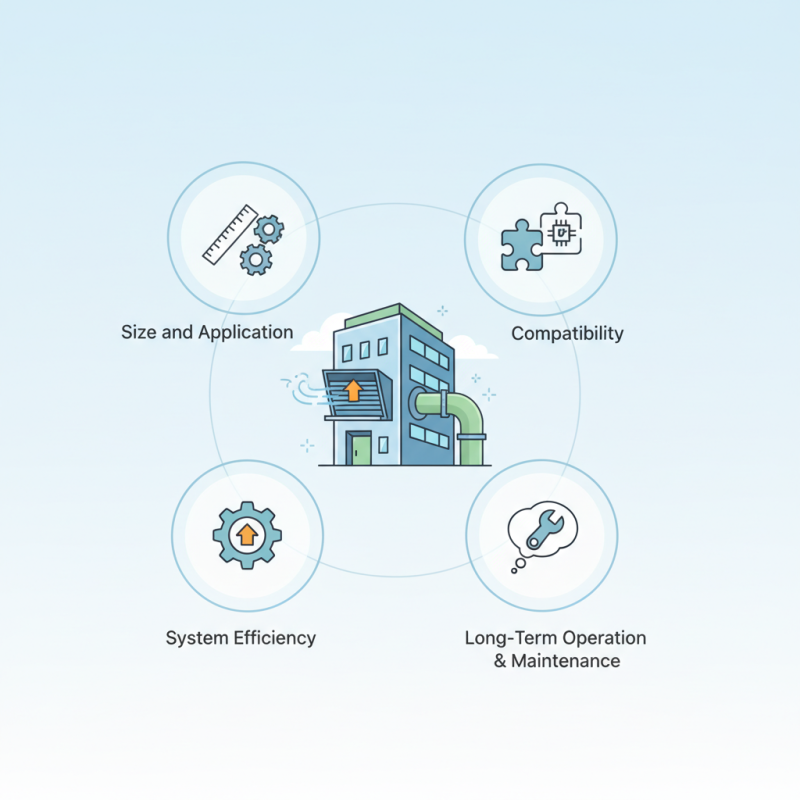
When selecting a Damper Actuator, consider factors like size and application. Different projects require specific features. A small actuator may fit well in tight spaces, while larger ones might handle more extensive systems. Efficiency varies based on design and installation.
Don't overlook compatibility with your current setup. Not all actuators work with every system. Sometimes, the best choice isn’t the most popular one. Evaluate your needs carefully. This decision can impact long-term operation and maintenance. Think through your options thoroughly.
Understanding the Functionality of Damper Actuators
Damper actuators play a vital role in regulating airflow and maintaining indoor climate comfort. They control dampers in HVAC systems, ensuring that air flows efficiently throughout a building. Understanding their functionality is essential for anyone involved in building management.
These actuators can be classified into two main types: electric and pneumatic. Electric actuators are often preferred for their precision. They can open and close dampers quickly, providing finer control over air distribution. Pneumatic actuators, on the other hand, use air pressure and may be more suitable for specific applications. Each type has its own strengths but also drawbacks to consider.
It's crucial to think about the specific environment and system requirements. For instance, an actuator in a damp location might require special housing. An undersized actuator may struggle to manage airflow efficiently. This can lead to issues like fluctuations in temperature. Evaluating installation space and energy efficiency is often overlooked but important as well. A thorough understanding of these factors can help in selecting the right actuator for optimal system performance.
Identifying Your Specific Application Requirements
Choosing the right damper actuator starts with understanding your application needs. Different environments require different specifications. For instance, high humidity areas may need corrosion-resistant materials. An actuator’s response time can affect efficiency; quicker response times are often necessary in critical applications.
Clear identification of load requirements is essential. Assess the weight and balance of the damper. Some may overlook this, only to find stability issues later. Additionally, consider control methods like analog or digital systems. This choice will impact both installation complexity and operational flexibility.
It can be easy to prioritize features without a full understanding of real needs. Balancing cost with quality is challenging. A well-chosen actuator can enhance system performance and longevity. However, choosing based solely on price may lead to regrettable compromises. It’s crucial to reflect on what matters most for your unique situation.
Evaluating Different Types of Damper Actuators Available
When choosing a damper actuator, understanding the different types available is essential. The primary types include electric, pneumatic, and hydraulic actuators. Electric actuators are popular for their precision. They provide consistent performance in varying conditions. However, they may require complex wiring installations.
Pneumatic actuators operate using compressed air. They can be quick and efficient for large systems. The downside is their dependency on air supply, which could be limiting. They might not function well in low-pressure situations. Hydraulic actuators provide high torque and reliability in demanding environments. Yet, they can be expensive and less stable under fluctuating conditions.
Evaluating each type involves assessing your system's needs. Consider the environment, the required response time, and control precision. Each actuator has its pros and cons. It's crucial to analyze these factors carefully. Overlooking minor details can lead to inefficiency and frustration. Understanding your specific requirements will guide you in making the right choice.
Damper Actuator Types and Their Applications
This chart illustrates the percentage of usage across different types of damper actuators commonly used in various applications. Electric actuators are the most prevalent, followed by pneumatic and hydraulic options, while manual actuators hold a smaller share.
Factors to Consider: Size, Power, and Control Mechanisms
Choosing the right damper actuator is crucial. Size, power, and control mechanisms are fundamental factors. An actuator must fit the dimensions of the system. Miscalculating size can lead to inefficiency. For instance, a report from the International Society of Automation highlights that improperly sized actuators can waste up to 20% of energy within HVAC systems.
Power requirements vary depending on the application. Different environments demand different power levels. For example, heavy-duty applications may require actuators with higher torque. This is essential for maintaining efficient operation under varying load conditions. Keep in mind that power also affects control mechanisms.
**Tip:** Always check the power rating before purchase.
Control mechanisms range from simple manual types to sophisticated automated systems. Automated systems offer remote control and better precision. However, manual controls can be more reliable in some scenarios. Depending on your needs, these choices can greatly influence operational efficiency.
**Tip:** Evaluate your long-term needs before deciding on automation.
Unexpected issues may arise if the wrong actuator is chosen. Ensure that you understand how size impacts power requirements. Reflect on your current setup and future requirements. Investing time in evaluation can save costs later.
How to Choose the Right Damper Actuator for Your Needs?
| Factor | Description | Considerations |
| Size | The physical dimensions of the actuator should match the damper's requirements. | Measure the damper’s opening size and depth to ensure compatibility. |
| Power | The amount of force required to operate the damper effectively. | Determine the torque needed based on the damper size and resistance. |
| Control Mechanisms | The method used to actuate the damper (e.g., electronic, pneumatic, etc.). | Consider whether a manual, automatic, or hybrid control system is necessary. |
| Environment | The conditions in which the actuator will operate (temperature, humidity, etc.). | Choose materials that can withstand expected environmental factors. |
| Budget | The financial constraints for purchasing the actuator. | Balance features and costs to find the best value. |
Tips for Installation and Maintenance of Damper Actuators
When installing a damper actuator, proper alignment is crucial. Misalignment can lead to premature failure. A study by the International Society of Automation found that up to 20% of actuator failures stem from installation issues. Ensuring accurate mounting can significantly enhance performance and lifespan.
Maintenance is equally important. Regular inspections are vital for optimal operation. Check connections and ensure there’s no debris obstructing movement. Reports show that a well-maintained actuator can operate effectively for over ten years. However, neglect can shorten this to just three.
Lubrication is essential. Apply grease or oil per manufacturer recommendations. Inadequate lubrication is a common error, often leading to increased wear. Additionally, temperature variations can affect actuator performance. Actuators should be calibrated to function in all expected conditions, yet this detail is often overlooked during installation.