2026 Top Sandblast Rubber Hose Features and Benefits?
The Sandblast rubber hose is essential in construction and industrial applications. Its robust design allows it to handle high-pressure environments effectively. This flexibility enables movement without compromise, making it a preferred choice for many professionals.
Quality features in sandblast rubber hoses include durability and resistance to wear. These hoses endure harsh conditions, showcasing their strong exterior. However, selecting the right size and specifications can be challenging for some users, which may result in suboptimal performance. Proper education on usage is crucial to prevent these mistakes.
In a market flooded with options, understanding the features and benefits of a sandblast rubber hose can lead to smarter choices. Adapting to specific needs is essential. Knowing one’s requirements can help avoid confusion, creating better work conditions and outcomes. Recognizing these factors is key to maximizing the potential of this vital tool.
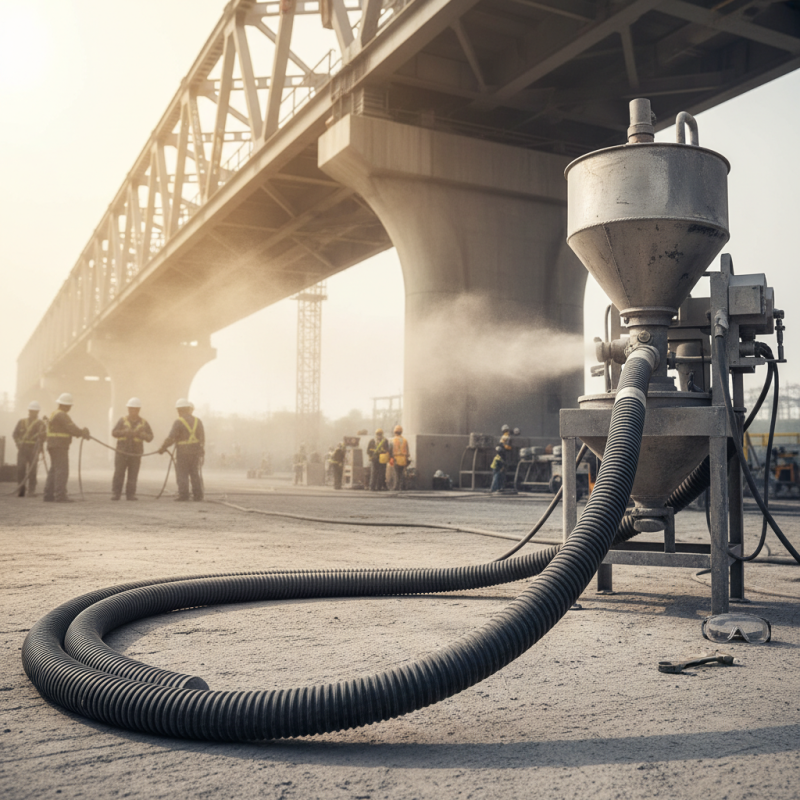
2026 Overview of Sandblast Rubber Hose Characteristics
In 2026, the sandblast rubber hose market continues to evolve. The hoses are known for their durability and flexibility. They are essential for various industries like construction, oil, and manufacturing. According to industry reports, the global sandblast hose market is projected to grow by 4% annually, indicating strong demand for quality hoses.
These hoses are typically reinforced with layers of synthetic fiber and steel. This construction allows them to withstand high pressure during abrasive cleaning. Many hoses also feature abrasion-resistant covers, enhancing their lifespan. They can handle temperatures up to 150°F, but excessive heat can cause deterioration. Users should regularly inspect hoses for any signs of wear.
Tip: Always store sandblast rubber hoses in a cool, dry environment to prolong their life. Avoid sharp bends in the hose to prevent kinking.
It's crucial to choose the right diameter for your application. Hoses come in various sizes, affecting flow rates and efficiency. A common issue is the improper selection of hose length. Overly long hoses can lead to pressure loss. Furthermore, users should remember that not all hoses are equal. Some might not meet the required safety standards. Always verify compliance with industry regulations to ensure safe operation.
Key Features of Sandblast Rubber Hose in 2026
In 2026, the sandblast rubber hose remains a critical tool in various industries. These hoses are specifically designed to withstand high pressure and abrasive materials. Key features include exceptional durability and flexibility. Users often appreciate how well these hoses resist wear, ensuring a longer lifespan.
The lightweight design is another benefit. Operators can easily handle these hoses without extra strain. However, some users may find the hose's flexibility can sometimes lead to unintended kinks. It's crucial to train all personnel on safe handling. Additionally, these hoses are designed to minimize air leaks, enhancing efficiency during operation.
While the performance of sandblast rubber hoses is impressive, routine maintenance is still vital. Regular inspections can reveal wear that may not be immediately noticeable. Some users neglect this step. This oversight can lead to potential hazards. Investing time in upkeep can prevent downtime caused by hose failures. Overall, understanding these features improves operational safety and effectiveness.
Benefits of Using Sandblast Rubber Hose for Industrial Applications
Sandblast rubber hoses are essential in various industrial applications. They provide durability and flexibility. These hoses can handle high pressures and abrasive materials, making them ideal for sandblasting tasks. The material can resist wear and tear, ensuring a longer lifespan.
Using sandblast rubber hoses offers significant benefits. They maintain high performance in tough environments. The hoses are lightweight and easy to maneuver. Workers appreciate their flexibility, especially in tight spaces. This contributes to increased efficiency during operation. Additionally, they can withstand extreme temperatures, which is vital in many industrial settings.
Tip: Always inspect hoses before use. Look for signs of wear or damage. Replace any hose that does not meet safety standards. Regular maintenance prolongs the life of the hoses.
Not everyone considers the environmental impact. Disposing of damaged hoses can be a challenge. Finding eco-friendly options is necessary. It's crucial to think about how we dispose of these materials after use. Being mindful helps protect our planet.
Comparative Analysis: Sandblast Rubber Hose vs. Other Hoses
When comparing sandblast rubber hoses to other types of hoses, several features stand out. Sandblast hoses are designed for high-pressure applications. They often have thicker walls, which resist wear and abrasion. This makes them ideal for handling abrasive materials. Meanwhile, standard hoses may not be built to withstand such harsh conditions.
One key benefit of sandblast hoses is their flexibility. This allows for easier maneuvering in tight spaces. Other hoses might lack the same level of flexibility, making them cumbersome. However, sandblast hoses can be heavier, which may present some challenges during prolonged use. Users should consider the weight versus the flexibility depending on their specific needs.
Tip: Always inspect hoses before use. Look for signs of wear or damage. Any cracks could lead to accidents. Additionally, using the right fittings can improve safety and efficiency. Regular maintenance can extend the longevity of any hose.
In a side-by-side analysis, sandblast hoses show notable advantages. Still, they may not be suitable for all tasks. Different hoses have their specific uses. Users should reflect on their requirements. Choosing the wrong type can lead to inefficiency or equipment damage.
Maintenance Tips for Extending the Life of Sandblast Rubber Hose
Maintaining sandblast rubber hoses is crucial for optimal performance and longevity. Regular inspection can help identify wear and tear early. According to industry reports, damaged hoses can reduce efficiency by up to 30%. It's vital to check for cracks or abrasions, particularly in high-friction areas. Replace hoses showing signs of significant damage to avoid unsafe blasting conditions.
Proper storage is essential as well. Hoses should be kept in a cool, dry place, away from sunlight. Prolonged exposure to UV rays can deteriorate rubber. The ideal temperature range is between 50°F and 90°F. Regularly cleaning hoses with mild soap and water can prevent buildup of abrasive materials. Many professionals overlook this step, but neglecting it can lead to premature failure.
In addition, avoid sharp bends and kinks when handling hoses. These can cause weak points that may lead to leaks. Industry statistics suggest that improper hose handling accounts for nearly 25% of hose failures. Users should always follow safe handling practices to ensure reliability. Taking these steps is not just good practice; it reflects a commitment to workplace safety and efficiency.